A
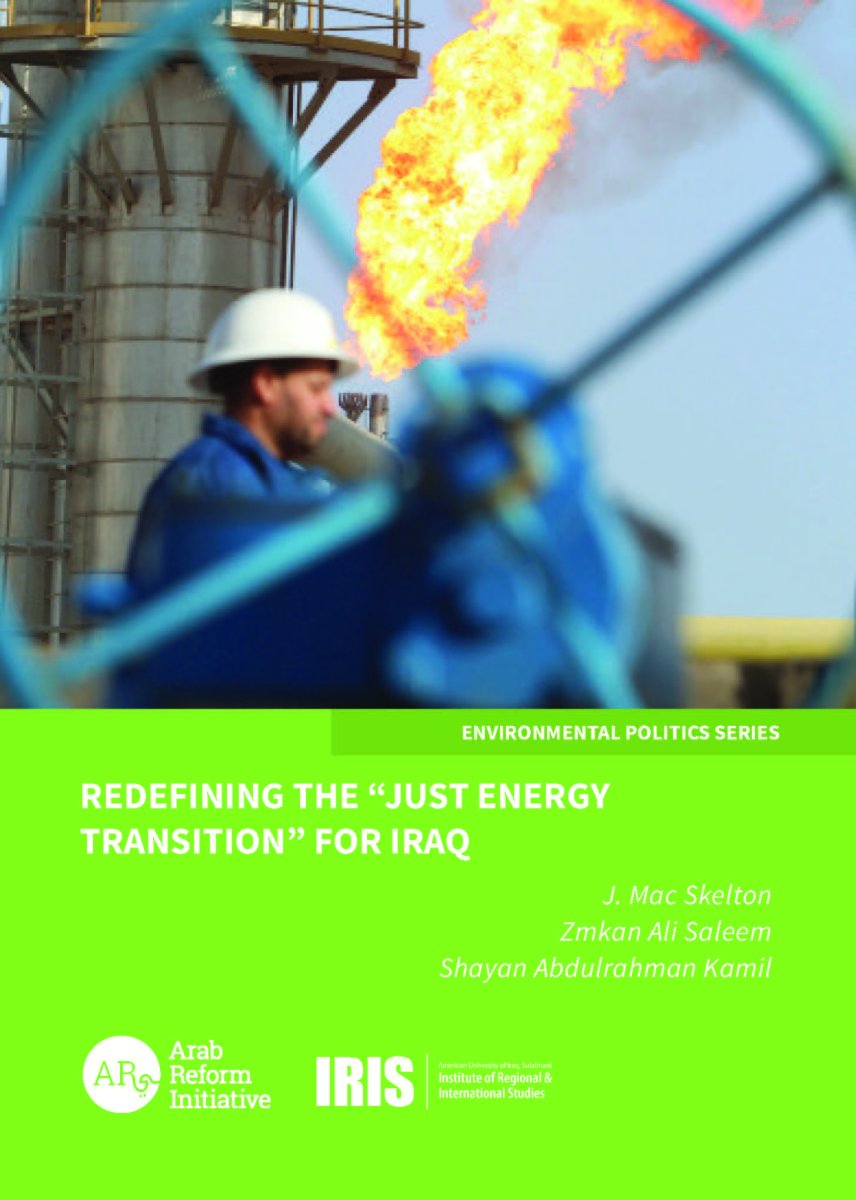
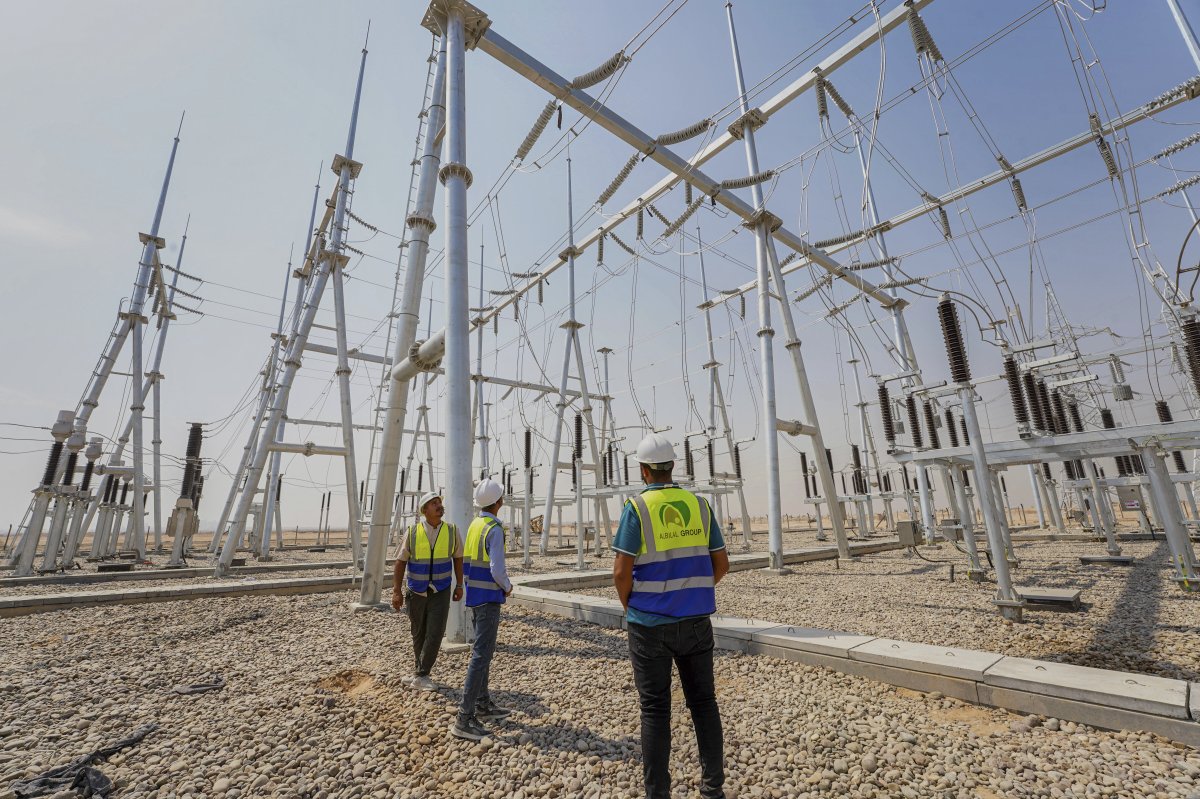
s climate change reshapes global priorities, the concept of a "just energy transition" has emerged to ensure that the shift toward sustainable energy is not only technically sound but also equitable—addressing inequality and grounding the process in social justice. This project advances that agenda in Iraq, as part of a broader regional effort involving Tunisia, Palestine, Jordan, Lebanon, Egypt, Morocco, and Algeria. The initiative aims to advance research on energy transition in Iraq and to ensure the country's context and priorities are integrated into the wider Middle Eastern discourse. Through sustained collaboration with civil society organizations, academic researchers, and policymakers, a series of structured roundtables and consultative meetings was convened to ensure inclusive stakeholder engagement and establish a foundation for policy development. These discussions sought to balance Iraq's environmental priorities with its social needs and economic realities. As a key outcome of this initiative, a policy report entitled "Redefining the Just Energy Transition for Iraq" was produced. The report provides a comprehensive analysis of the prospects for energy transition in Iraq, with particular attention to the country's structural vulnerabilities as an oil-dependent economy. Readers are invited to consult the full report for further insights. This project was implemented in partnership with the Arab Reform Initiative (ARI) and the Institute of Regional and International Studies (IRIS) under the Just Energy Transition initiative, with support from the Swedish International Development Cooperation Agency (SIDA).

Project Details
Title: Just Energy Transition
Duration: October 2024 - September 2025
Supported by: Arab Reform Initiative (ARI)
Activities and Events
-
Charting Iraq's Energy Future: Towards A Just Environmental Transition. December 2025
- Regional Perspectives on a Just Energy Transition in Oil-Producing Countries: Experiences from Algeria, Iraq, and the GCC
Outputs