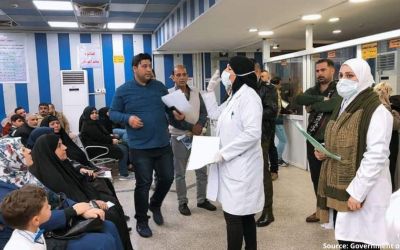
Iraq has experienced multiple large-scale conflicts over the past four decades, resulting in enormous numbers of war-related injuries. While acute trauma care has been documented in some contexts, there is limited systematic research on how clinicians have managed these injuries over time, how individuals live with their long-term physical, psychological, and social consequences, and how caregivers navigate the ongoing demands of support.
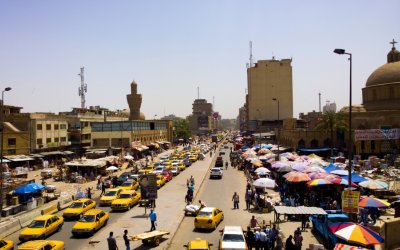
Caregivers themselves face significant physical, psychological, and financial strain in supporting rehabilitation, daily functioning, and social integration. Focusing on patients injured in Mosul and Baghdad between 2003 and 2017, this study aims to fill that gap by examining clinical management, lived experiences, and caregiver perspectives across different conflicts, providing insights into the evolution of trauma care, rehabilitation, prosthetic services, and psychosocial support in Iraq. It also examines the role of triage protocols in mass casualty preparedness, analyzing how injuries were prioritized and managed under surge capacity, resource scarcity, and infrastructure damage.
By tracing clinical decision-making and institutional responses, the study assesses health system readiness, including how hospitals adapted staffing, infrastructure, and referrals. This longitudinal perspective enables evaluation of preparedness, resilience, and systemic gaps, informing future emergency planning and strengthening response capacity while highlighting caregivers' support needs. Running from 2025 to 2027, this research project is conducted in collaboration with the University of Newcastle and funded by UK Research and Innovation.

Project Details
Title: The Afterlives of War-related Injury: Mapping Civilian Trauma Pathways in Conflict Settings
Duration: 2025 - 2027
Partner: University of Newcastle
Supported by: UK Research and Innovation
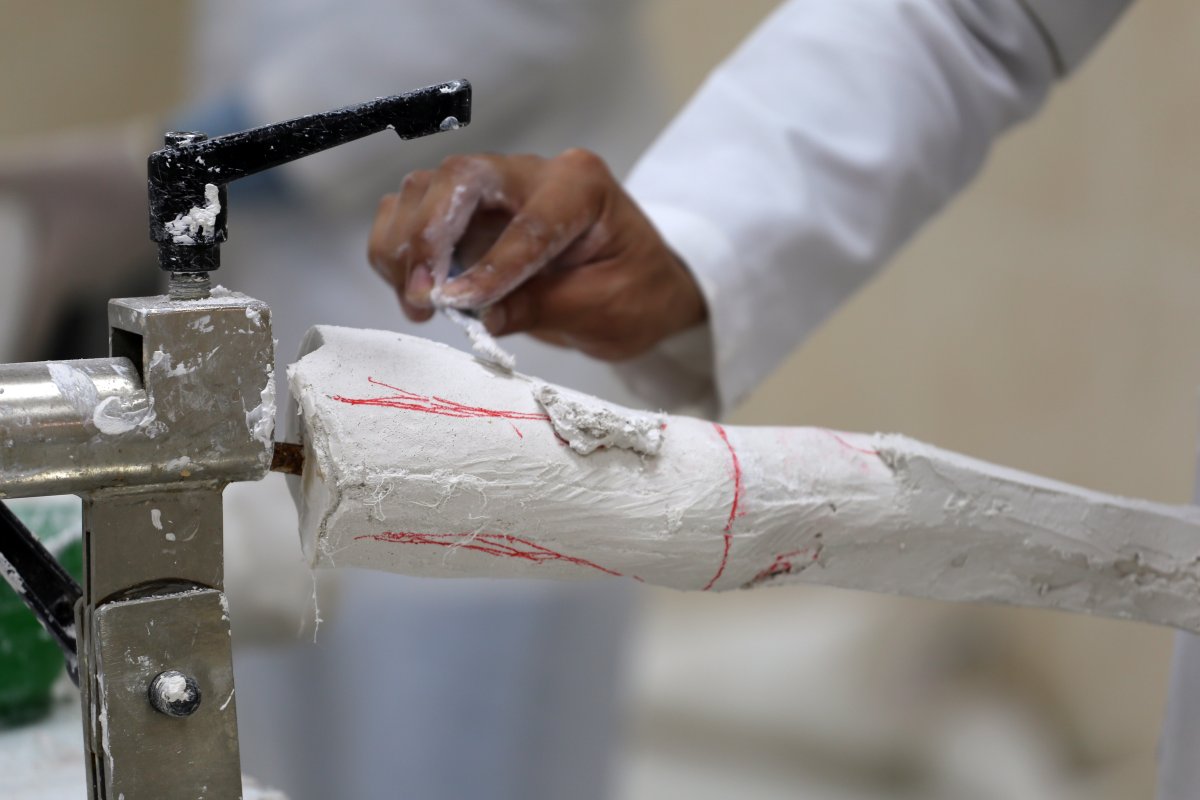 *Photo Credit: UNDP Iraq