I
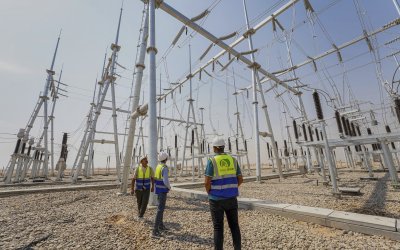
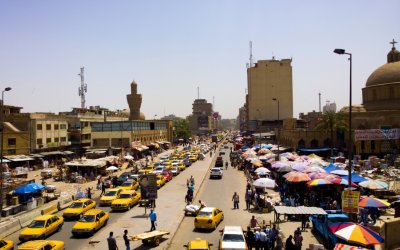
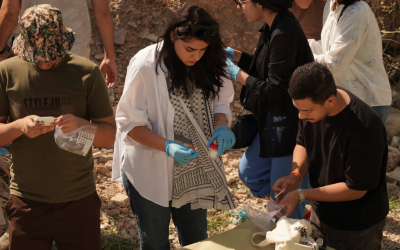
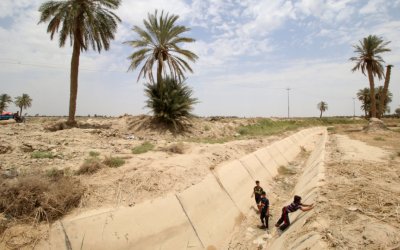
raq is ranked by the United Nations as one of the five countries most vulnerable to climate change. Over the next thirty years, escalating heatwaves, water scarcity, and dust storms are projected to drive significant displacement and profound public health consequences. These interconnected challenges demand urgent, evidence-based action from Iraqi authorities to plan for long-term effects. In response, the Institute of Regional and International Studies (IRIS) is partnering with the Center for Humanitarian Health at Johns Hopkins University on a research initiative to investigate how climate change intersects with health, displacement, and conflict dynamics. The project aims to improve predictive models for population shifts and document strategies to enhance health system preparedness in expanding urban areas across Iraq. Its significance lies in an evidence-based approach to identifying the specific needs of vulnerable populations. By exploring how health facilities can adapt in a conflict-sensitive manner, the project empowers authorities to develop strategic responses and strengthen community resilience. Ultimately, this collaboration seeks to ensure that Iraqi health services are sustainable and equipped to meet the challenges of a changing climate and a shifting demographic landscape. This study is funded by the Foreign, Commonwealth & Development Office (FCDO).

Project Details
Title: Climate Change, Conflict, Displacement and Health: Drought-induced displacement in Iraq and health system preparedness
Duration: 2024 - 2026
Partner: Johns Hopkins University, Center for Humanitarian Health
Supported by: Foreign, Commonwealth and Development Office (FCDO)
For more information contact: [email protected]