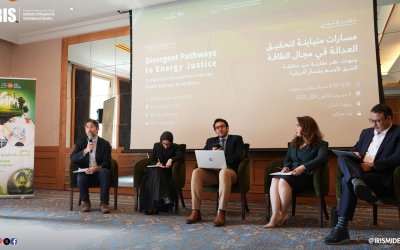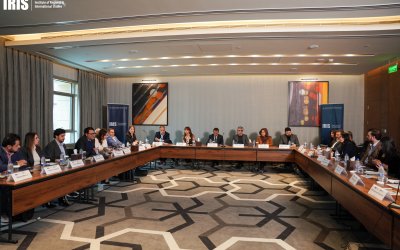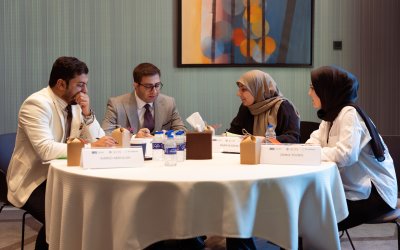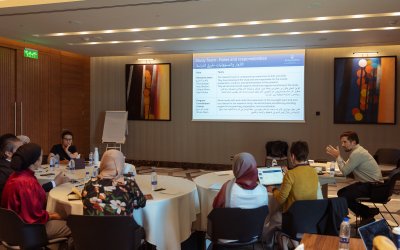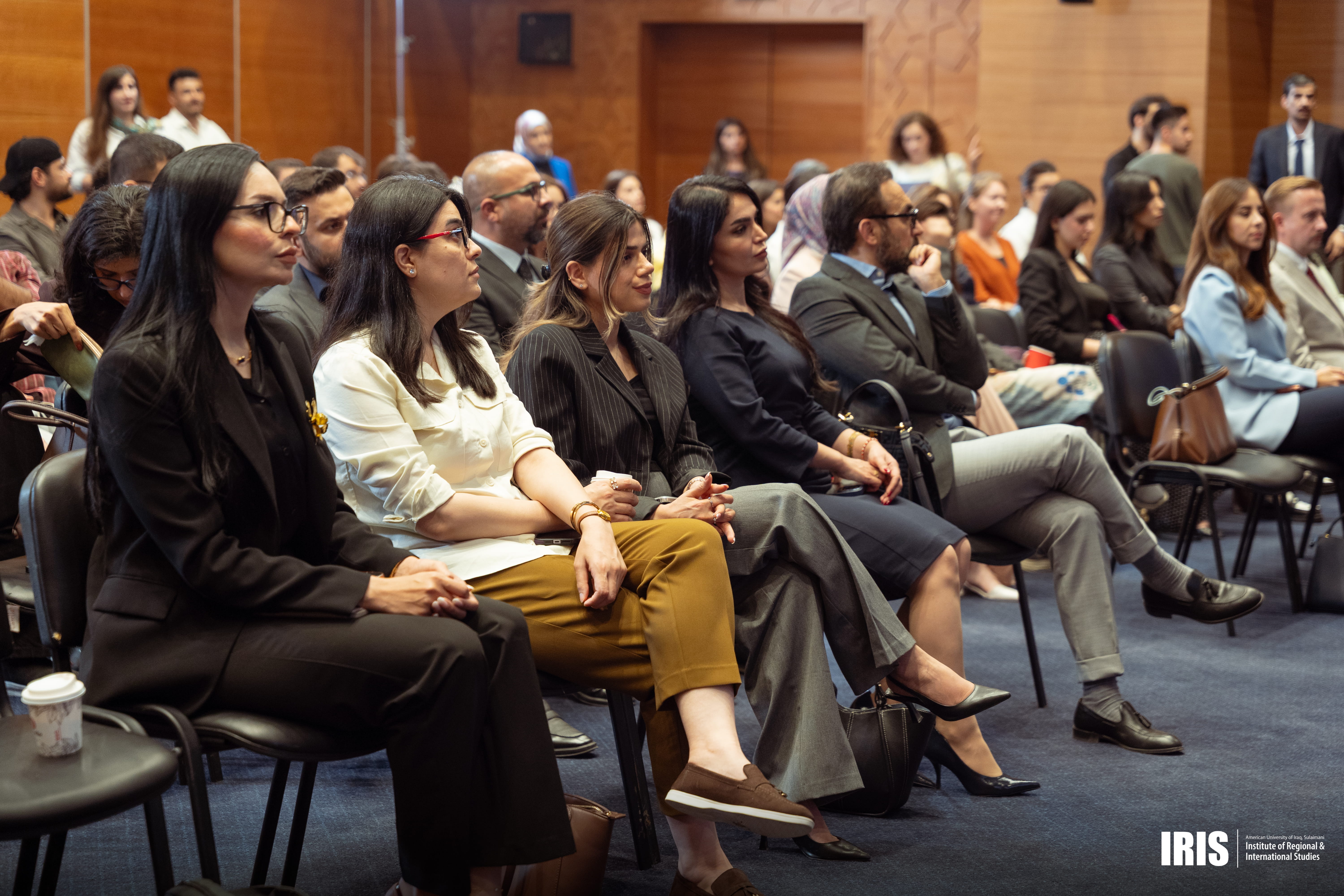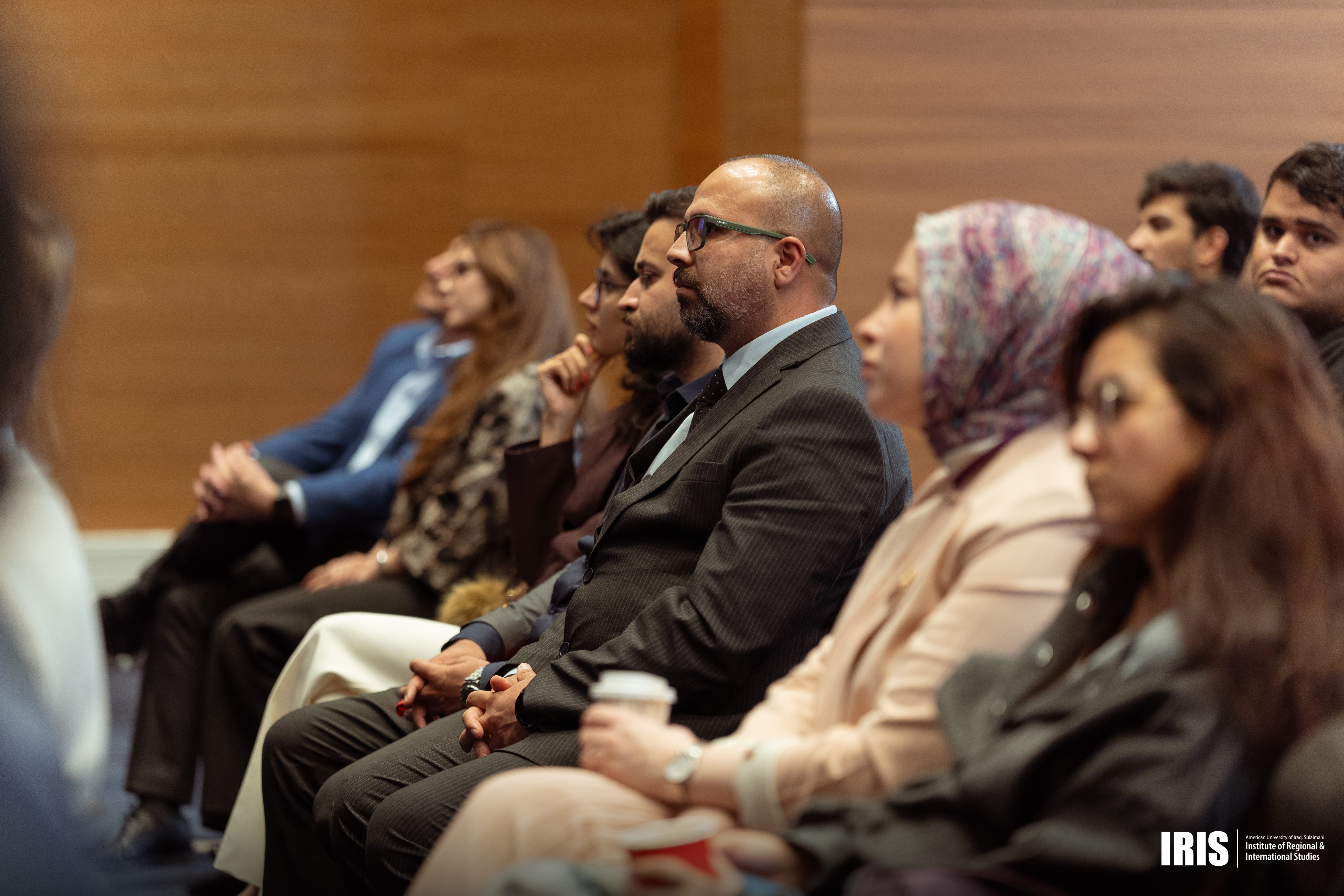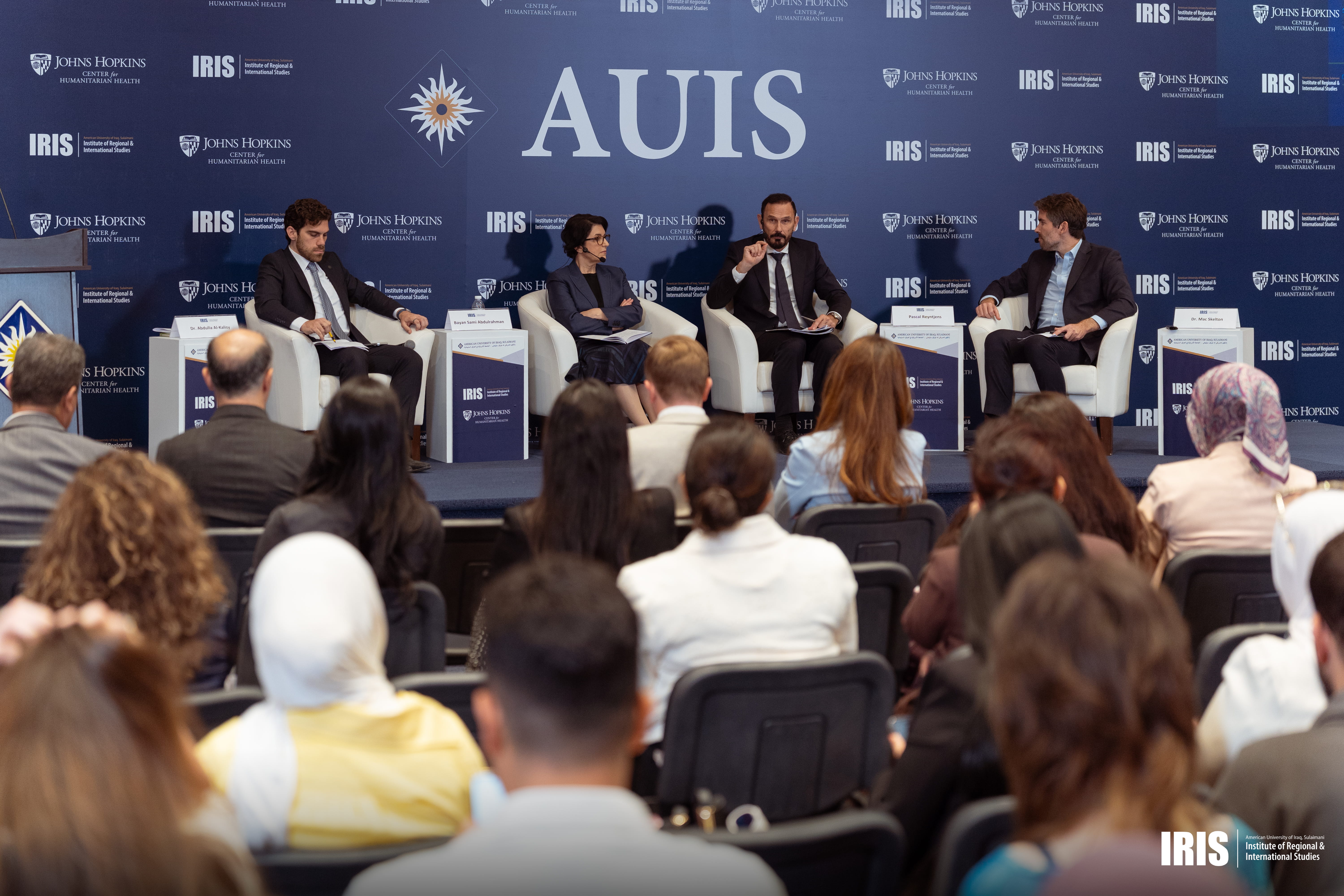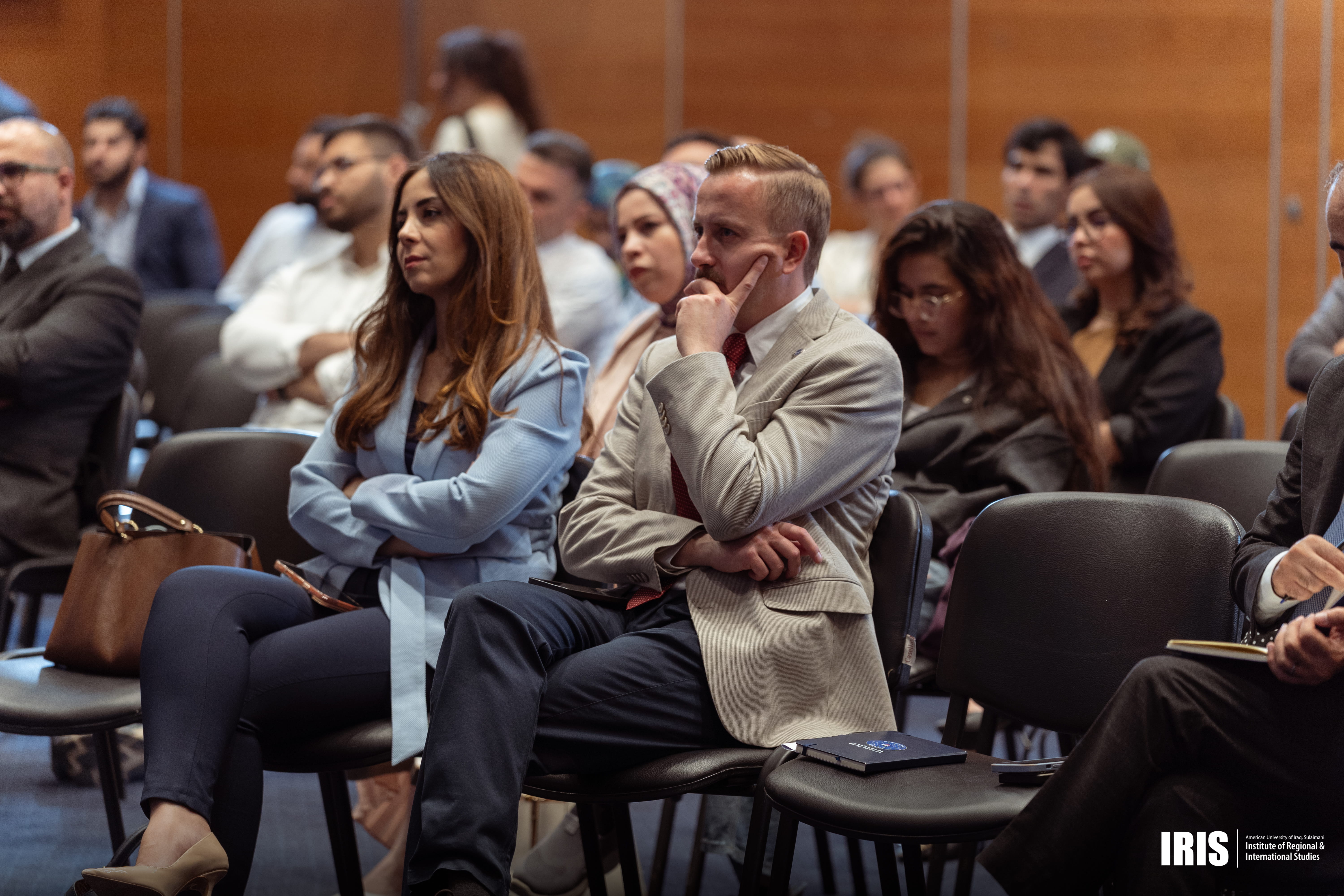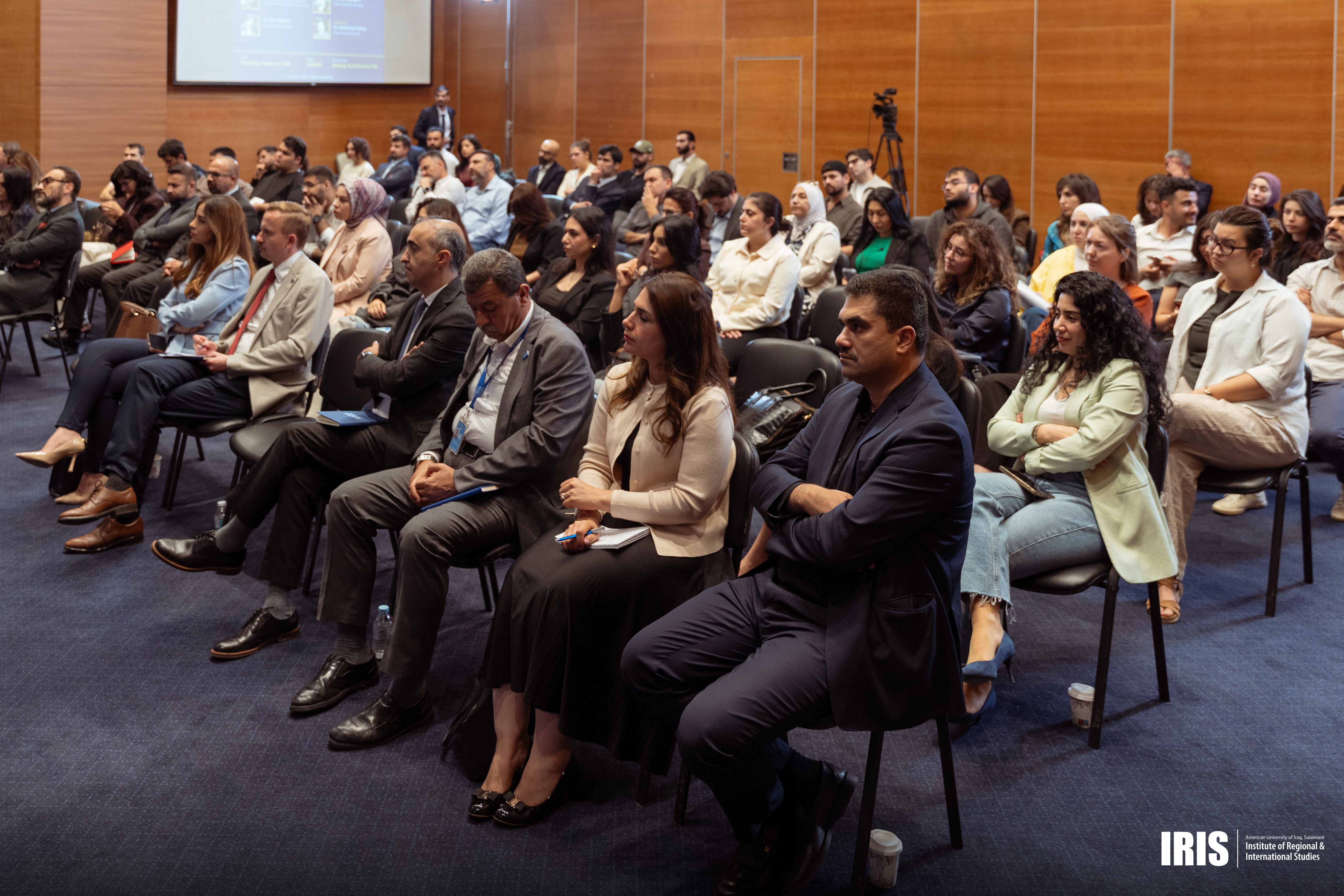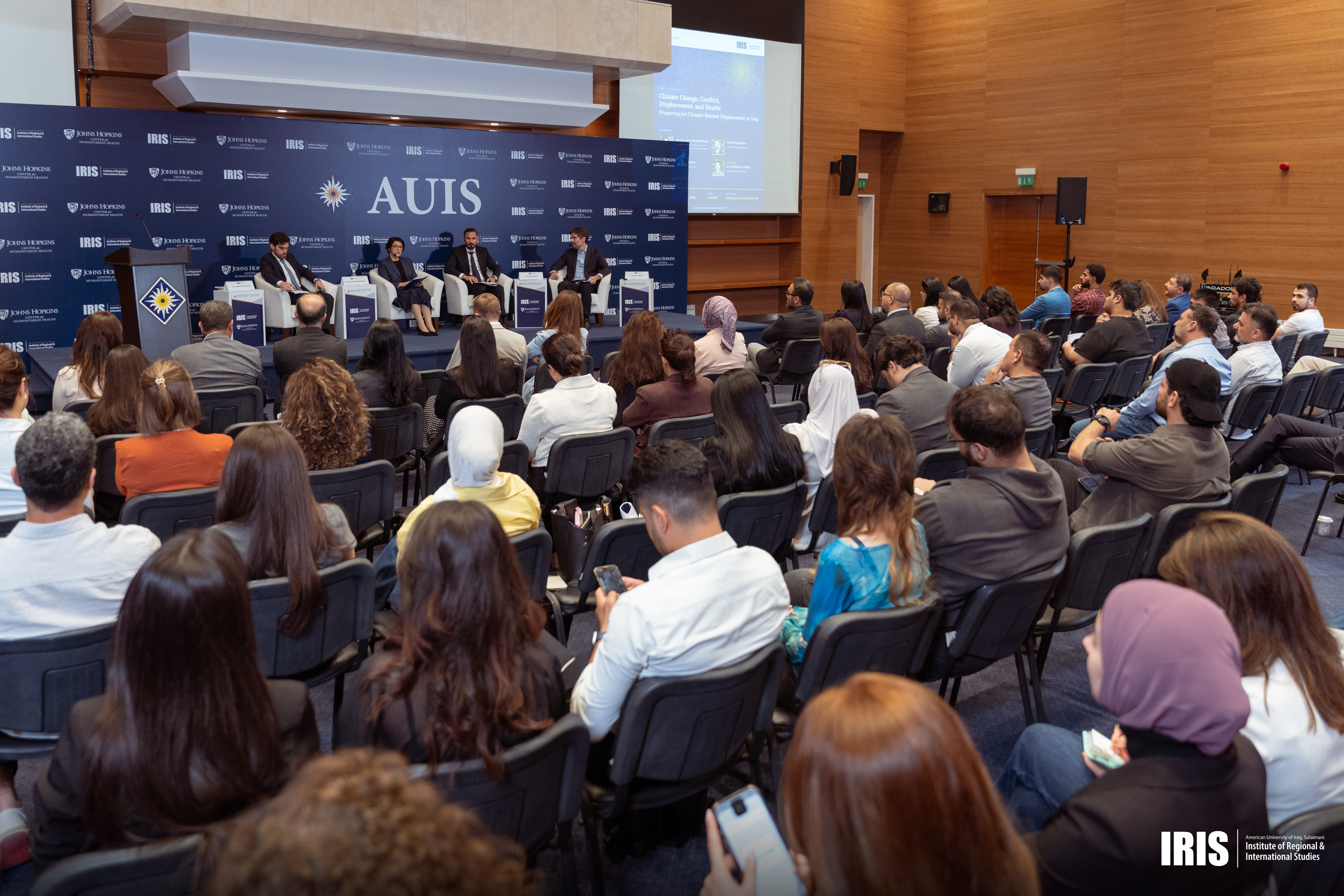
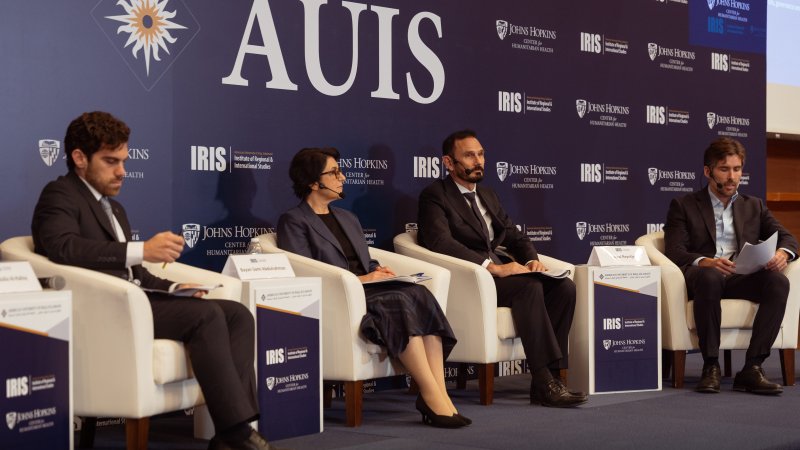
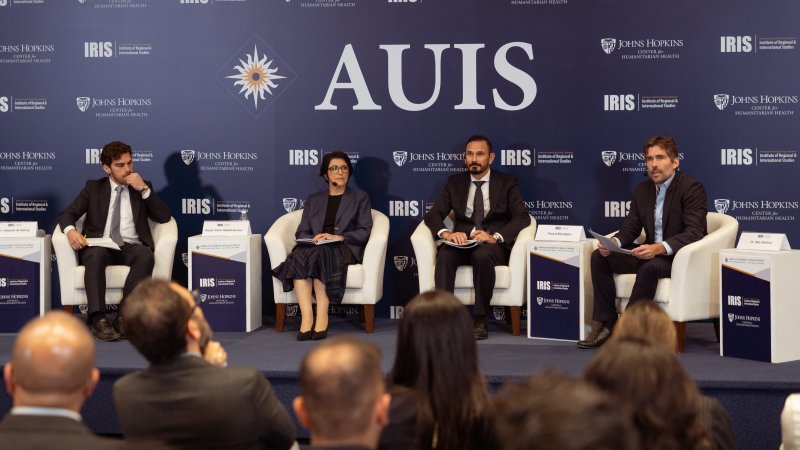
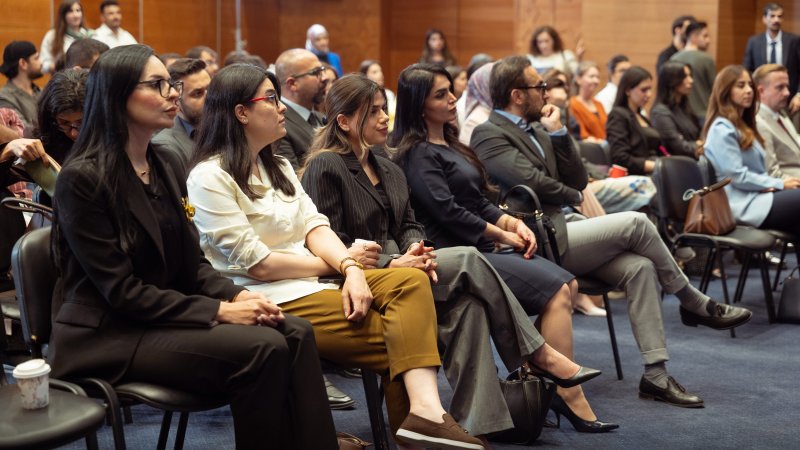

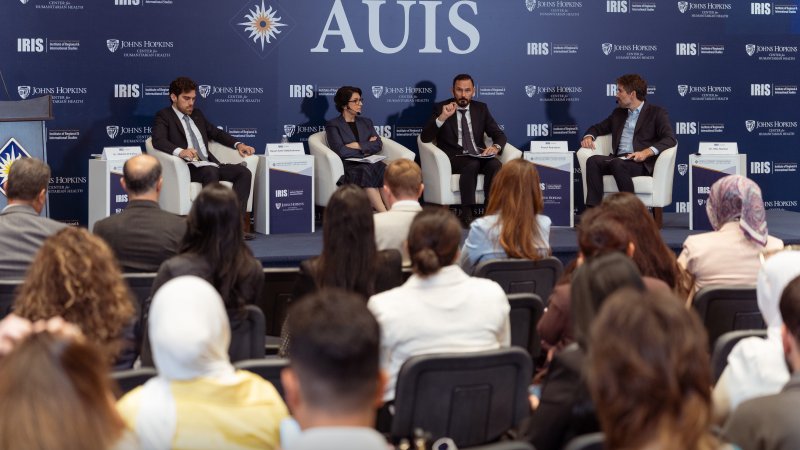
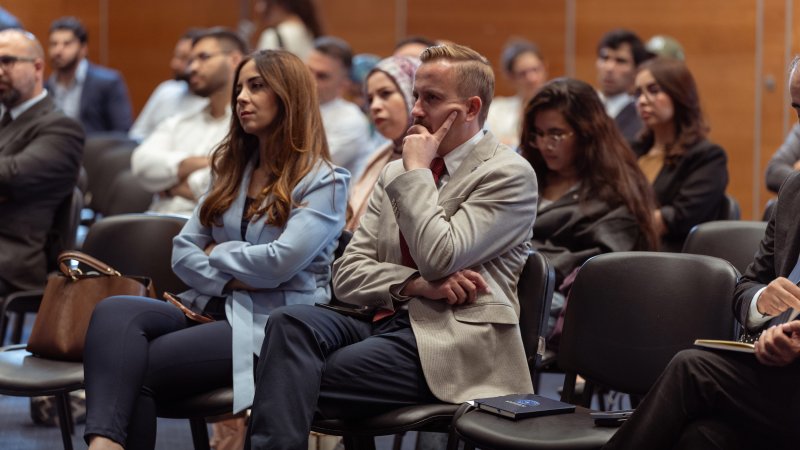
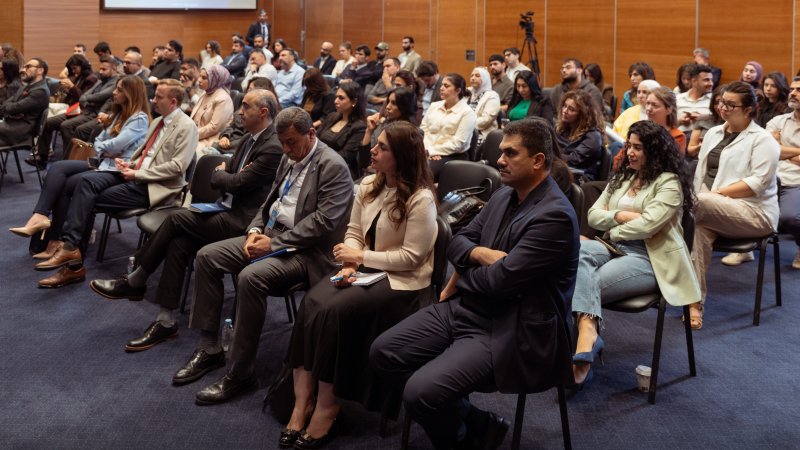
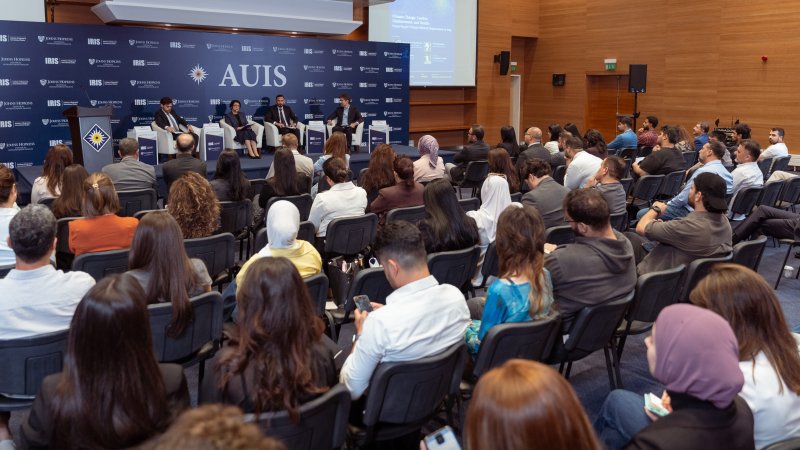
The Institute of Regional and International Studies (IRIS) at the American University of Iraq, Sulaimani (AUIS), in partnership with the Johns Hopkins Center for Humanitarian Health, hosted a panel discussion on Thursday, October 8, 2026, titled “Climate Change, Conflict, Displacement, and Health: Preparing for Climate-Related Displacement in Iraq.” The event marked the launch of a new IRIS–Johns Hopkins study on displacement in Iraq. It brought together senior officials, international practitioners, and researchers to examine how climate and water stress are reshaping patterns of displacement across the country.
increasingly intersect with the legacy of conflict, economic hardship, and declining agricultural livelihoods. The study examines these drivers of displacement and how they shape decisions to move. It also considers how government institutions are preparing for current and future displacement patterns. The research focused on two areas: displacement from the Dhi Qar in southern Iraq, including movements toward Basra and Najaf, and displacement into Erbil in the north, including during the ISIS period and more recent movements linked to water scarcity. Drawing on these findings, the panel assessed how prepared national and regional institutions are to respond to climate-related displacement, with discussion focusing on their capacity to track shifting patterns of movement and to plan for future arrivals. The conversation also examined the delivery of health services and livelihoods support in receiving areas, alongside the infrastructure required to absorb new populations.
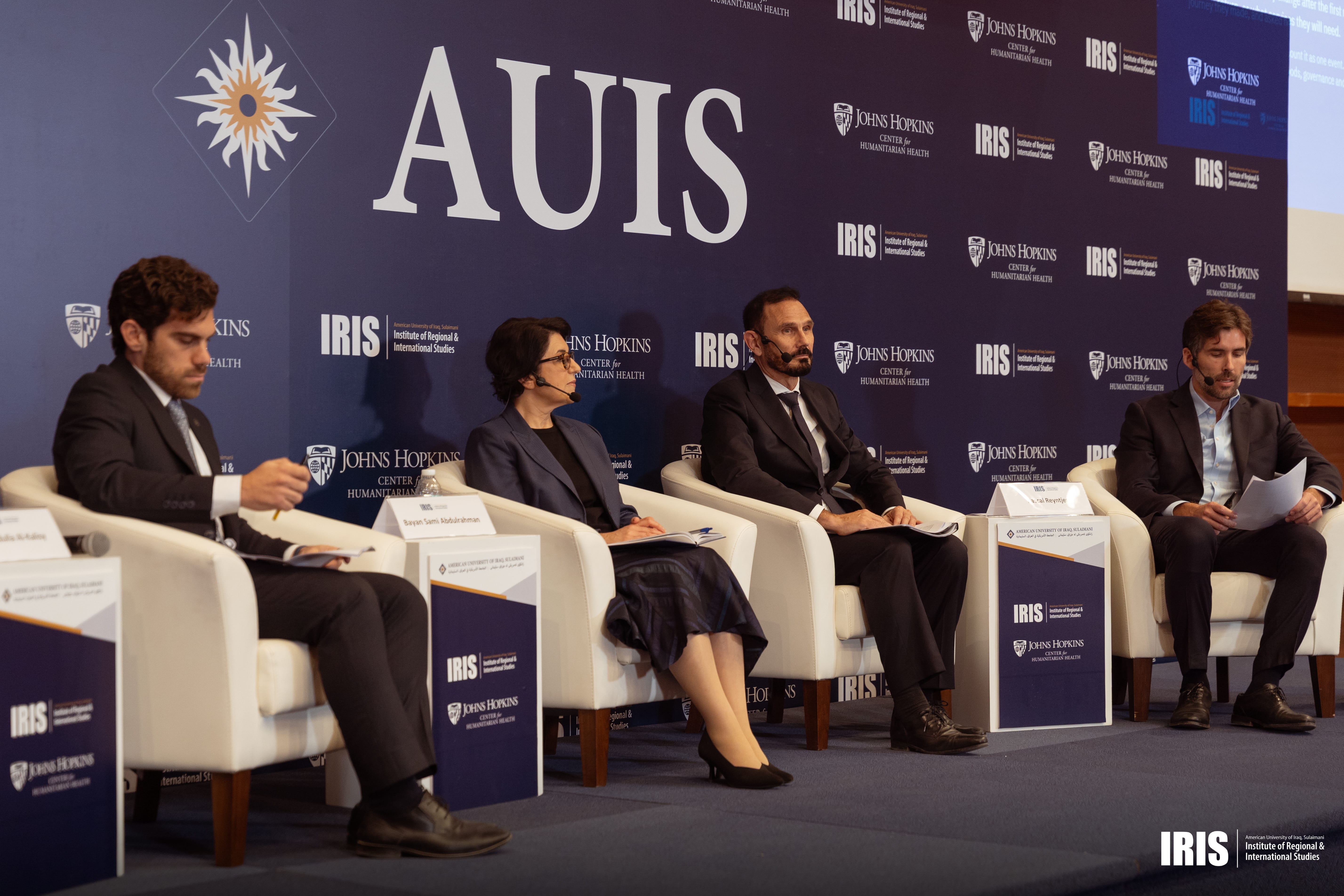
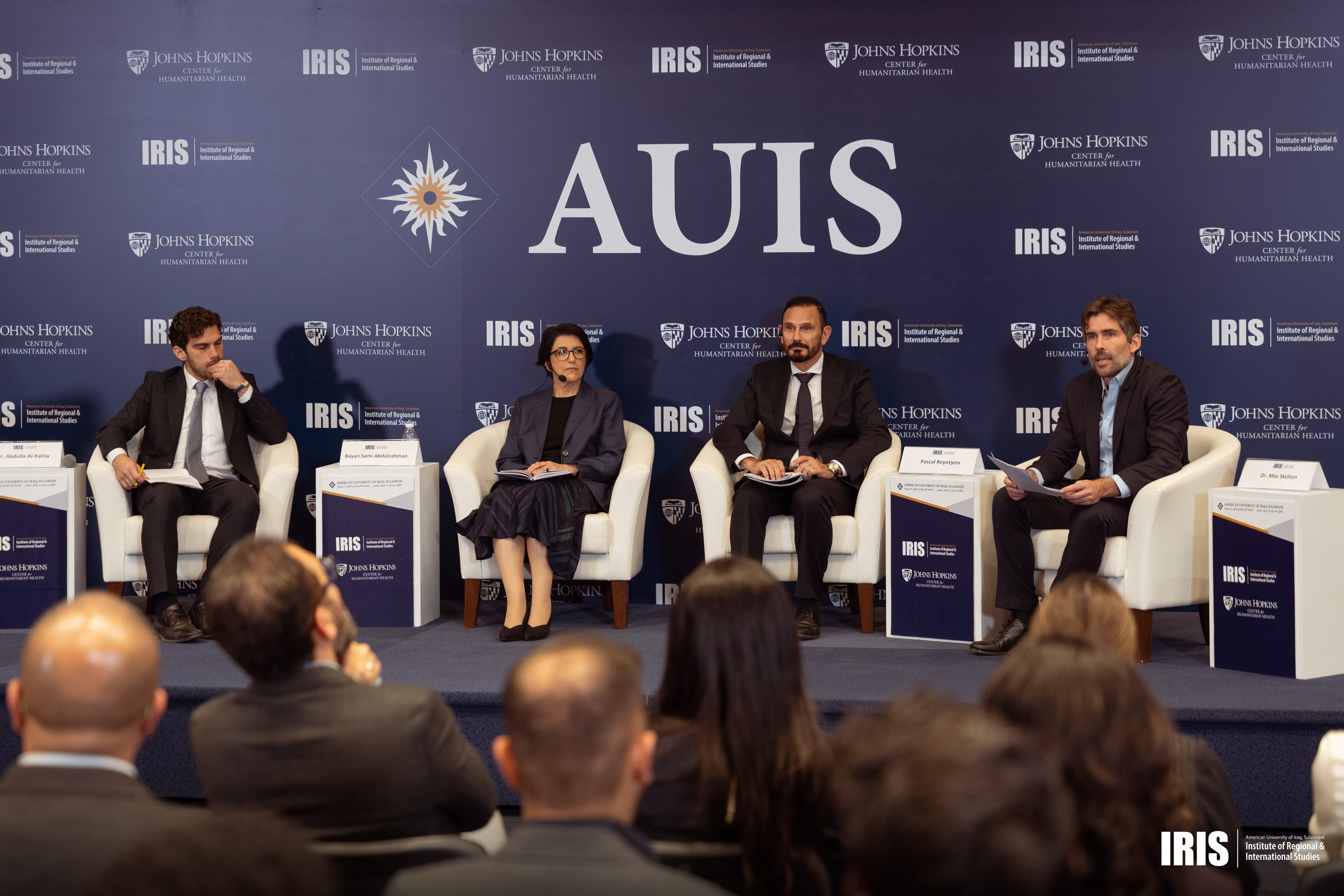
The panel featured Bayan Sami Abdulrahman, The Prime Minister’s Senior Advisor for Foreign Affairs and Climate Change, Kurdistan Regional Government; Pascal Reyntjens, Chief of Mission, International Organization for Migration (IOM) Iraq; and Dr. Mac Skelton, Executive Director of IRIS. The discussion was moderated by Dr. Abdulla Al-Kalisy, Senior Researcher at IRIS.
This panel forms part of IRIS’ research on climate, conflict, displacement, and health, conducted in partnership with Johns Hopkins University and funded by the UK Foreign, Commonwealth and Development Office (FCDO), with findings set to be published in December 2026
IRIS continues to convene policymakers, researchers, and practitioners to examine the pressing environmental, humanitarian, and governance challenges facing Iraq and the region.
The full video of the panel discussion is available below.